
Why Do I Wake Up at 3am Every Night? 12 Causes and How to Fall Back Asleep
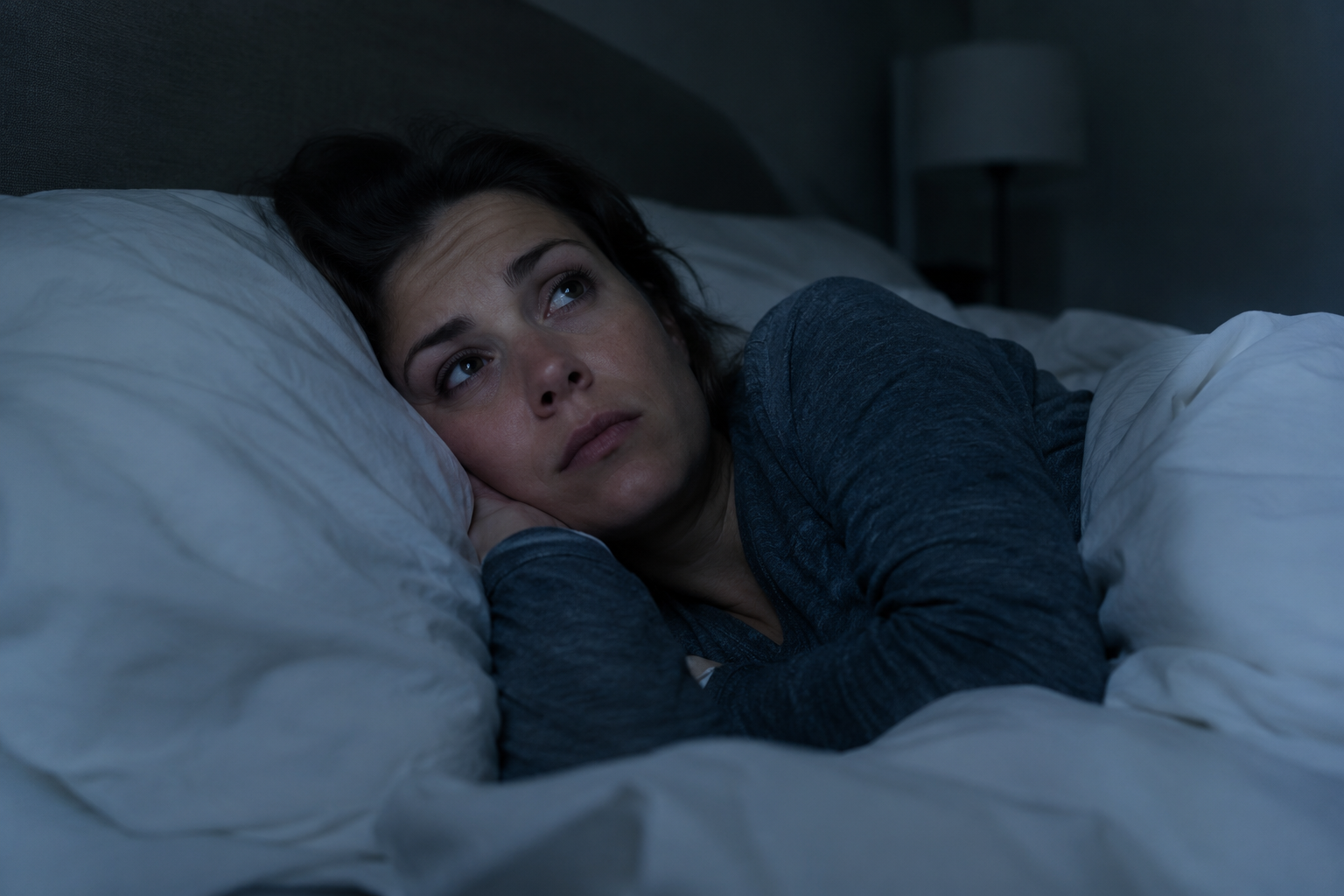
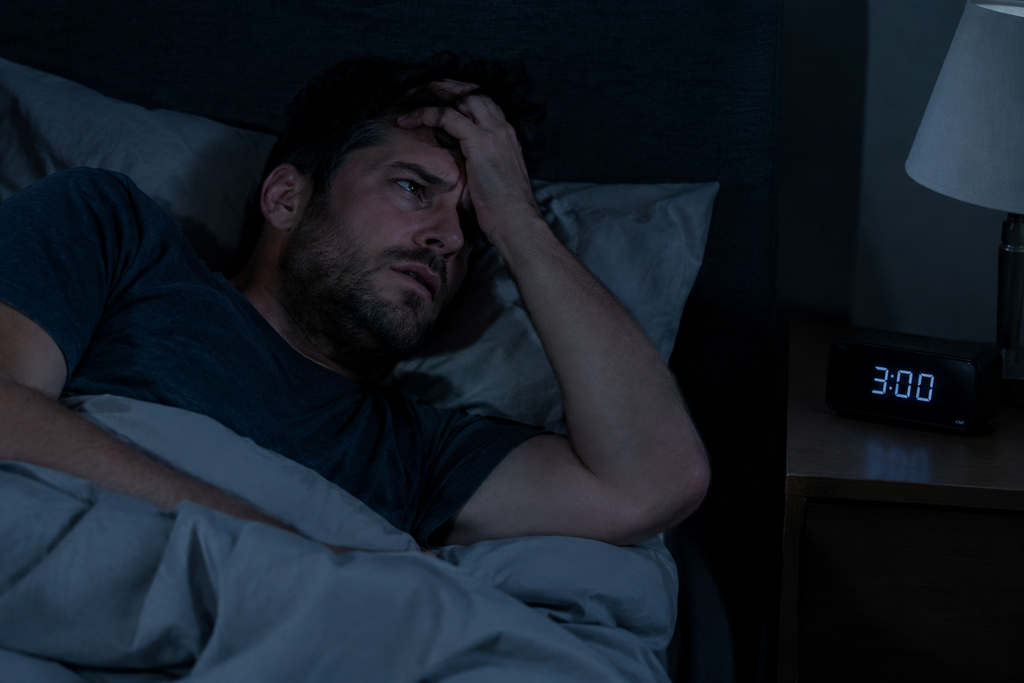
If you keep asking yourself, “Why do I wake up at 3am every night?” you’re not alone. You fall asleep fine, then like clockwork your eyes open, the clock says 3:00, your mind starts racing and an hour later you’re still staring at the ceiling.
Waking up in the middle of the night is one of the most common sleep complaints. Doctors call it sleep maintenance insomnia — trouble staying asleep rather than falling asleep. According to the National Heart, Lung, and Blood Institute, insomnia can mean trouble falling asleep, staying asleep or getting good-quality sleep. The good news: the reasons you wake up at 3am are usually identifiable and fixable.
Below, we break down exactly why you wake up at 3am, what your body is doing at that hour, and how to fall back asleep and stay asleep through the night.
Why do I wake up at 3am? What’s happening in your body
There’s a reason so many people wake up at 3am instead of some random time. Sleep isn’t one long, even stretch. You move through sleep cycles of roughly 90 minutes, four to six times a night, as the National Institute of Neurological Disorders and Stroke explains. Each cycle ends with a lighter stage of sleep where brief awakenings are normal — most people never remember them.
By 3am, a few things have changed:
- You’ve used up most of your deep sleep. Deep, restorative sleep happens mostly in the first half of the night. After that, sleep gets lighter and you’re easier to wake.
- Your sleep drive is lower. The pressure to sleep that built up during the day has mostly been paid off.
- Your body is getting ready for morning. Cortisol, the hormone that helps you wake up, starts rising in the early morning hours.
So a brief wake-up at 3am is normal. The problem is when something turns that brief wake-up into being wide awake — and that’s where the causes below come in.
12 reasons why you wake up at 3am
1. Stress and 3am anxiety
Stress is the number one answer to “why do I wake up at 3am?” When you’re under pressure, your nervous system stays on alert even while you sleep. The lighter sleep of the early morning makes it easy for a worry to pull you fully awake, and once your mind starts running through tomorrow’s to-do list, your heart rate and alertness climb with it.
Many people describe 3am anxiety: a wave of dread or racing thoughts that feels much bigger in the dark than it would at noon. A tired brain is simply worse at putting worries in perspective.
Try this: Keep a notepad by the bed and write the worry down so your brain can let it go until morning. Our guides to stress management and anxiety go deeper.
2. Cortisol rising too early
Cortisol naturally climbs in the early morning to help you wake up. With chronic stress, that rise can be stronger or start earlier, nudging you awake hours before your alarm. That’s why waking up at 3am and cortisol are so often linked.
3. Drinking alcohol before bed
A nightcap might help you fall asleep, but alcohol is one of the most common reasons people wake up at 3am. As your body processes alcohol, its sedating effect wears off and sleep becomes lighter and more broken in the second half of the night. Alcohol also makes you need the bathroom more and can worsen snoring.
Try this: Skip alcohol for a week or two and see whether you still wake up at 3am. At minimum, stop drinking a few hours before bed.
4. Caffeine too late in the day
Caffeine stays in your system for hours, so an afternoon coffee or energy drink can still be affecting how deeply you sleep at 3am. Try this: Cut off caffeine at least 6–8 hours before bedtime.
5. Needing to use the bathroom
Waking up to urinate at night (called nocturia) is a very common cause of middle-of-the-night waking, especially as we get older. Evening fluids, alcohol, caffeine and some medications all play a role. If it happens two or more times a night, talk to your doctor — it can be linked to bladder, prostate, blood sugar or other health issues.
6. Your bedroom is too hot, bright or noisy
Your body temperature naturally dips overnight. A warm room, heavy bedding, a streetlight through the curtains, a snoring partner or a buzzing phone can be enough to wake you during a light stage of sleep.
Try this: Keep your bedroom cool (around 60–67°F is often recommended), dark and quiet. Blackout curtains, a fan or white noise, and keeping your phone out of reach make a real difference.
7. Screens and blue light at night
Scrolling in bed keeps your brain stimulated and can shift your body clock. And if you check your phone when you wake up at 3am, the bright light and the content — email, news, social media — can wake you up completely.
8. Blood sugar swings
For people with diabetes, especially those on insulin or certain medications, blood sugar can drop overnight and cause sweating, a racing heart and sudden waking. For most people without diabetes, the evidence that blood sugar makes you wake up at 3am is weaker — but a very large, sugary meal late at night or skipping dinner can still affect your sleep. If you have diabetes and wake up sweaty or shaky, talk to your doctor.
9. Sleep apnea
Obstructive sleep apnea makes your breathing stop and restart many times while you sleep, which repeatedly wakes your brain. The NHLBI notes that if someone tells you that you snore or gasp for air during sleep, it’s worth talking to your healthcare provider. Other warning signs include waking with a dry mouth or headache and feeling exhausted during the day. Sleep apnea is common, often undiagnosed and very treatable.
10. Hormonal changes, menopause and night sweats
During perimenopause and menopause, hot flashes and night sweats are a major reason women wake up at 3am. Hormone shifts around the menstrual cycle and pregnancy can also disrupt sleep. A cool room, breathable bedding and a conversation with your doctor about treatment options can help.
11. Depression
Waking up very early and being unable to get back to sleep is a classic sign of depression. If you wake up at 3am and also notice low mood, loss of interest in things you used to enjoy, appetite changes or hopelessness, talk to a doctor or therapist. Read more in our mental health guides.
If you’re having thoughts of harming yourself, call or text 988 to reach the 988 Suicide & Crisis Lifeline, free and available 24/7.
12. Age, medications and other health issues
As we age, sleep naturally becomes lighter and more broken, and the body clock shifts earlier. Certain medications (including some antidepressants, steroids, blood pressure medications and decongestants), acid reflux, chronic pain and restless legs can also cause night waking. If you started to wake up at 3am after beginning a new medication, ask your doctor or pharmacist.
Waking up at 3am: spiritual meaning or your liver?
Search “why do I wake up at 3am” and you’ll find plenty of claims that it’s a spiritual awakening, a sign from the universe or — according to the traditional Chinese medicine “body clock” — your liver detoxing. These ideas are popular and can feel meaningful, but there’s no scientific evidence behind them.
The more likely explanation is the normal shift into lighter sleep late in the night, combined with one or more of the causes above. Focusing on stress, alcohol, your sleep environment and possible health issues is far more likely to stop you from waking up at 3am.
How to fall back asleep when you wake up at 3am
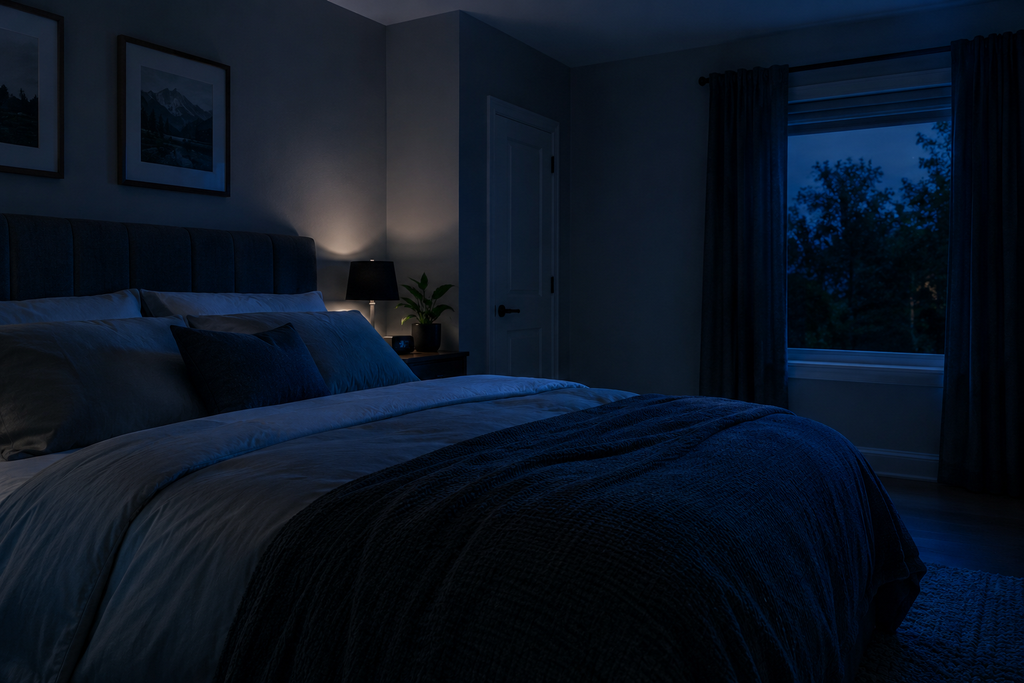
When you wake up at 3am and can’t fall back asleep, these steps can help you drift off again:
- Don’t check the clock. Seeing the time starts the mental math (“if I fall asleep now, I’ll get four hours”) that makes you more anxious and more awake.
- Stay off your phone. The light and the content will wake your brain up.
- Slow your breathing. Breathe in through your nose for 4 counts and out slowly for 6–8 counts. A longer exhale helps calm your nervous system.
- Do a body scan. Starting at your toes, relax each part of your body, working up to your head. Our mindfulness and meditation guide has more techniques.
- Write down what’s on your mind. Get the worry out of your head and onto paper.
- Get up if you’re still awake after about 20 minutes. Go to another room, keep the lights dim and do something calm — read a paper book or listen to quiet music. Go back to bed when you feel sleepy. This teaches your brain that bed is for sleeping, not lying awake and worrying.
- Don’t try to force it. Trying hard to sleep makes it harder. Aim to rest quietly instead — sleep often follows.
How to stop waking up at 3am and stay asleep all night
The best way to stop waking up at 3am is to fix what’s waking you up in the first place. The CDC recommends healthy sleep habits like these:
- Keep the same wake-up time every day, including weekends.
- Get morning sunlight within an hour of waking to set your internal clock.
- Limit alcohol, especially in the evening.
- Cut off caffeine by early afternoon.
- Keep your bedroom cool, dark and quiet.
- Wind down for 30–60 minutes before bed with dim lights and no screens.
- Avoid heavy meals and lots of fluids in the two hours before bed.
- Move your body during the day. Regular exercise improves sleep, though some people sleep better when they avoid intense workouts right before bed.
- Manage stress during the day, not at 3am. Journaling, exercise, therapy and relaxation practices all help.
- Skip long or late naps if you’re struggling to sleep at night.
For ongoing insomnia, cognitive behavioral therapy for insomnia (CBT-I) is considered a first-line treatment that doesn’t rely on medication. It’s a short, structured program that retrains your sleep habits and the thoughts that keep you awake. The American Academy of Sleep Medicine’s Sleep Education site can help you learn more and find a sleep specialist.
When to see a doctor about waking up at 3am
Talk to a healthcare provider if:
- You wake up at 3am (or any time) three or more nights a week for more than three months
- You’re tired, irritable or struggling to function during the day
- You snore loudly, gasp or stop breathing during sleep
- You have night sweats, frequent nighttime urination or pain that wakes you
- Your sleep problems come with low mood, anxiety or hopelessness
- You rely on alcohol or sleep aids to sleep
A doctor can check for sleep apnea, hormone changes, medication side effects and other causes, and refer you for CBT-I or a sleep study if needed. If you’re not sure where to start, Northwind can help you find care.
The bottom line
So, why do I wake up at 3am? For most people, it’s normal lighter sleep in the early morning hours plus a trigger — stress, alcohol, caffeine, a warm or noisy bedroom, or a health issue like sleep apnea or menopause. Start with the simple fixes: a consistent wake time, less alcohol and caffeine, a cool dark bedroom and a plan for what to do when you wake up. If it keeps happening, talk to a doctor.
For more ways to sleep better, visit our Sleep Health guide or browse the Northwind Wellness blog.
Frequently asked questions
Why do I wake up at 3am every night? Most often it’s normal lighter sleep in the early morning hours plus a trigger such as stress, anxiety, alcohol, caffeine, a warm or noisy bedroom, needing to urinate, or a health issue like sleep apnea or menopause.
Is it normal to wake up at 3am? Brief awakenings during the night are normal, and most people don’t remember them. It becomes a problem when you’re wide awake and can’t fall back asleep, especially if it happens most nights.
Why do I wake up at 3am with anxiety? Stress keeps your nervous system on alert, and the lighter sleep of the early morning makes it easy for worries to wake you. A tired brain also makes worries feel bigger in the middle of the night.
Is waking up at 3am related to cortisol? It can be. Cortisol starts rising in the early morning to help you wake up, and chronic stress can make that rise stronger or earlier.
Does alcohol make you wake up at 3am? Yes. Alcohol can help you fall asleep, but as your body processes it, sleep becomes lighter and more broken in the second half of the night.
What does it mean spiritually to wake up at 3am? Many people link 3am to spiritual meaning, but there’s no scientific evidence for it. Stress, alcohol and normal sleep cycles are much more likely explanations.
How do I fall back asleep at 3am? Don’t check the clock or your phone, slow your breathing and relax your body. If you’re still awake after about 20 minutes, get up, do something calm in dim light and return to bed when you feel sleepy.
This article is for general information and is not medical advice. Talk to a qualified healthcare provider about your own sleep.